
Tree Care: Watering Your Trees in Summer Drought
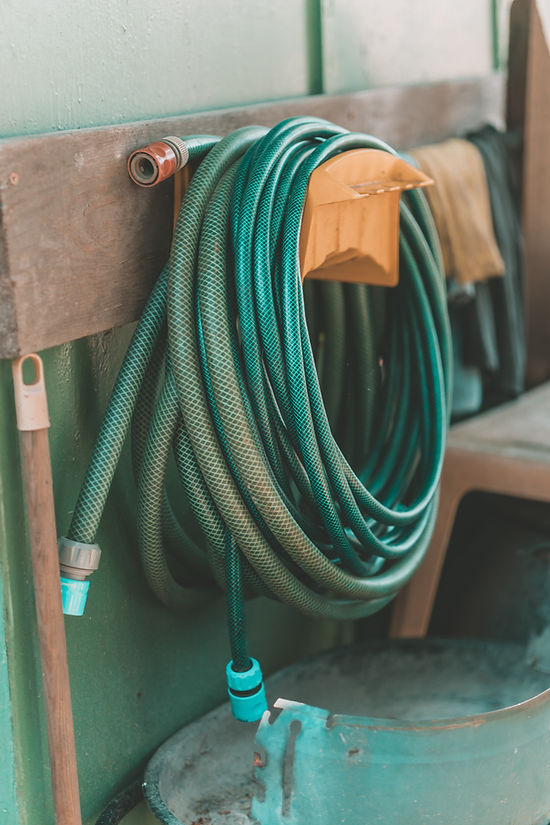
It seems like we were just weary of the rain, but suddenly it’s time to start watering our trees. Consistent moisture is critical when establishing new trees, but during long periods without rainfall, even established trees and shrubs can suffer or die without timely irrigation. Over-watering can be just as harmful to tree health as under-watering, especially in clay and compacted soils.
Is it time to water?
Keep tabs on soil moisture so you are ready to step in and keep your trees watered as things dry out. To check the soil, use a spade or hand trowel to dig a small hole under the plant canopy and feel the soil. If the soil is cool and moist 6 to 9 inches below the surface, no water is needed. If the soil is dry, it‘s time to roll out your hose.
Make a watering plan
Young trees will need water every couple of weeks, more often in dry weather, for at least two years after they are planted. If it hasn’t rained significantly for a month or more, even large, mature trees will need a good soaking.
Once we are well into the dry season, water slowly for a long time so roots have time to absorb the water. Avoid frequent, light watering. That encourages shallow root systems and keeps trees susceptible to stress from summer’s heat and drought. Water early in the morning to minimize water loss from evaporation.
A good goal is 15 gallons, once a week throughout the summer for young trees. During scorching weather, twice a week ahead of the hot days might be necessary.
For trees older than three years, watering monthly, especially in late July and August, is a good idea. That means 20 to 50 gallons or more per tree, depending on the tree’s size and species. Thin-leaved trees or those from wetter climates will need the greater amount; trees that are more drought tolerant, such as oaks, may survive with the lesser amount.
Where to water
Your tree will appreciate water delivered to all of its roots, which spread out like the spokes of a bicycle wheel from a central point below the trunk of the tree. Although a tree’s root system might extend down several feet below ground level, most of the small feeder roots that deliver water to the tree are located in the top 12 to 18 inches of soil. They serve as a reservoir between irrigation or rainfall. Water deeply over the entire root zone area, out to at least to the dripline, the area below the tree’s farthest branches.

Watering methods
There are several ways to water effectively:
Hose: Place a hose on the ground near the trunk and turn it on to a slow dribble. After 30 minutes, move it a couple of feet around the trunk. Keep moving the hose until the tree’s dripline has been circled. Consider a water timer to help you.
Soaker hose: Use a porous soaker hose which allows water to slowly drip along its entire length. Lay the hose on the soil around the tree. Turn the water on just enough for beads of water to form on the surface of the hose. Let the water run for about two hours.
Bucket: If the tree is far from your water source, use a 5-gallon bucket with a few 3/16th inch holes drilled into its bottom. Set the filled bucket within the dripline. Refill four to ten times, setting the bucket in a new place around the tree each time.
Watering bags or ooze tubes: For small, young trees that need more frequent watering, a drip irrigation bag can be a convenient solution. They allow you to water every two to three weeks — but they are not meant for large trees or for a long-range solution.
Retain moisture with mulch
Proper mulching slows evaporation and increases water infiltration, as well as protecting roots from extreme temperatures. It’s best to apply mulch out to the farthest edge of the tree’s dripline. A 2- to 4- inch layer of organic mulch can recreate aspects of a forest's soil environment, but too much can harm the tree’s root system. Apply it in a donut shape, keeping all mulch material away from the trunk. According to the International Society of Arboriculture, mulching, when done correctly, is one of the most beneficial practices a homeowner can do for the health of a tree or shrub.
Your trees will thank you
Healthy trees will survive for decades, or even centuries in an urban environment. They may need a little help from you to make sure they thrive, but they will repay you many times over with the benefits they provide.


Comments